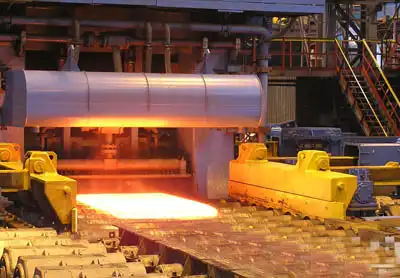
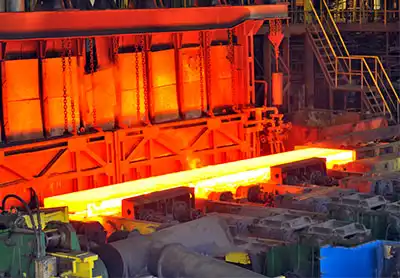
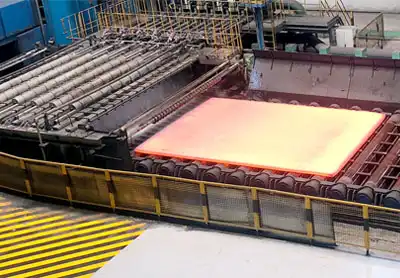
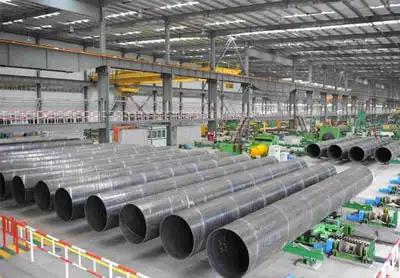
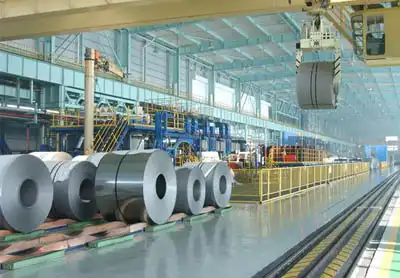
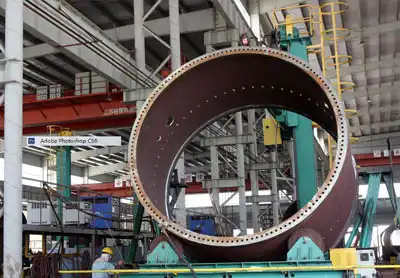
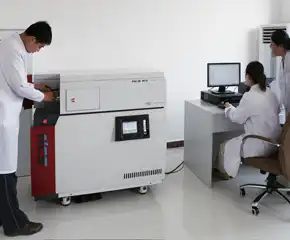
Description: BBN steel is a well-known steel manufacturer and service provider in China, Abrasion Resistant Steel is our superior product, we are favored by customers with high quality, competitive price and excellent service
Payment Terms: L/C, T/T, D/P, Western Union, Paypal, Money Gram
Wear plate supplied to GB/T 24186 (NM300–NM600), HARDOX, XAR and RAEX — quenched and tempered, cut, formed and machined to drawing as liners and wear parts.
StandardsGB/T 24186 · HARDOX · XAR · RAEX
Grades16 designations
Hardness300–600 HBW nominal
Plate size2–100 mm × 1000–3000 mm × 2000–12000 mm
DocumentationMill test certificate with measured hardness · Heat number traceable · Third-party inspection on request
Hardness is the property you buy — every grade name in this family carries its nominal Brinell hardness, so NM400, HARDOX400, XAR400 and RAEX400 all sit on the same rung of the ladder.
Four families, 16 grades — from NM300 up to NM600, with six grades opening their own page carrying hardness, composition and supply detail.
Supplied cut, formed and machined — plasma, water jet, flame and laser cutting, bending, rolling, edge bevelling, drilling and tapping, plus finished wear liners produced to your drawings.
01What Abrasion Resistant Steel Is
Abrasion resistant steel, usually called wear plate, is a low-alloy steel made to survive friction, sand erosion and ore impact. It is produced by quenching and tempering, which gives a hard, uniform microstructure through the thickness, and it is bought to replace a part that is being worn away — a liner, a chute, a bucket, a truck body floor — rather than to carry a calculated structural load.
That difference matters when you specify it. Structural steel is ordered by yield strength; wear plate is ordered by hardness. The grade name gives the hardness directly — in NM400 the letters are the Chinese abbreviation for wear resistance and 400 is the nominal surface Brinell hardness in HBW. The same numbering convention runs through the HARDOX, XAR and RAEX families, which is why 400 HBW appears under four different names in section 03. Hardness is measured on the rolled surface by the Brinell method, and the measured value for your heat is what is certified on the MTC.
16Grade DesignationsGB/T 24186 · HARDOX · XAR · RAEX
4Standard Families6 grades with dedicated pages
300–600Nominal HBW RangeSeven hardness rungs
2–100 mmThickness RangeThin · medium · thick · ultra-thick
What wear plate is not: it is not a structural grade, and yield and tensile strength are secondary on the certificate. Higher hardness buys wear life but costs formability — the bending radius grows, the welding procedure gets stricter, and drilling and machining need carbide tooling. Choosing a class is a trade-off, not a case of picking the highest number available.
02Product Forms & Size Range
Wear plate and sheet are supplied in the standard mill window below. Every size supports customised cutting and processing for mechanical wear parts and engineering projects.
Product Form
Item
Range / Standard Sizes
Remarks
Wear Plate & Sheet
Thickness
2 mm – 100 mm
Thin plate 2–10 mm · medium plate 10–40 mm · thick plate 40–100 mm · ultra-thick plates available on custom request
Width
1000 mm – 3000 mm
Common stock widths: 1250, 1500, 1800, 2000, 2500, 3000 mm
Length
2000 mm – 12000 mm
Fixed-length cutting and non-standard custom lengths supported
On sizes and hardness: not every thickness is available in every width, and the combination depends on the grade and the rolling programme — send the grade, form, dimensions and quantity and we confirm what the mill can roll. One further point is worth stating up front: the hardness that can be guaranteed through the section falls as plate thickness rises, because the cooling rate during quenching slows in heavy sections. Composition limits, Charpy toughness and any impact requirement are set by the standard and grade, not by the size range, and are stated on the MTC for each order.
03Available Grades & Standards
The full range of all four families is listed below. Click any linked grade to open its dedicated page with hardness, composition and supply details.
Grades shown without a link are supplied to order — send the standard, grade, dimensions, quantity and any inspection requirement and we will confirm availability and lead time. Certification and third-party inspection (SGS, BV, DNV or your nominated inspector) can be arranged on request.
04How to Read the Grade Designation
Unlike structural grades, these names encode hardness rather than yield strength — once you know the convention you can read the wear class straight off the label.
GB/T
GB/T 24186: NM + Nominal HBW
NM is the abbreviation of the Chinese term for wear resistance, and the number is the nominal surface Brinell hardness in HBW — NM300, NM360, NM400, NM450, NM500, NM550, NM600. Quality-level suffixes may follow the number in the full designation, so where a drawing calls for a suffixed grade we confirm the exact form before quoting.
Trade
HARDOX: Trade Name + Nominal HBW
A producer trade designation rather than a national standard. The number is again the nominal Brinell hardness — HARDOX400, HARDOX450, HARDOX500 — so the 400 / 450 / 500 rungs line up with the NM grades of the same number.
Trade
XAR and RAEX
Two further producer families built on the same convention: XAR400 / XAR450 / XAR500 and RAEX400 / RAEX450 / RAEX500. The number is the nominal hardness class, which makes cross-referencing straightforward — but see the note below before substituting on hardness alone.
HBW
Why HBW and Not Yield Strength
Wear plate is purchased for abrasion resistance, and hardness is the property that correlates with it, so it is hardness that the standard specifies and the mill certifies. Yield and tensile strength are secondary — comparing wear plate against structural steel by yield strength leads to the wrong conclusion.
MTC
What the Number Does Not Tell You
The nominal figure is a class label, not the measured value. The applicable standard sets a permitted hardness band around it, and that band varies with thickness, grade and the edition of the standard. The measured surface hardness of your heat, together with its chemistry and Charpy values, is what appears on the MTC.
Equivalence warning: NM400, HARDOX400, XAR400 and RAEX400 share a nominal hardness class, but they are separate specifications with their own chemistry limits, toughness requirements, thickness coverage and flatness guarantees. Matching on the hardness number alone ignores all of that — confirm any substitution against your design code, your welding procedure and the MTC.
05Hardness Classes & How to Choose
Seven rungs from 300 to 600 HBW. Moving up the ladder buys wear life and costs fabricability, so the right class is set by the wear mechanism and by what the part has to survive in the workshop.
Hardness Class
Grades at This Level
Where It Is Used & What It Costs You
300 HBW
NM300
Mild sliding abrasion and fine material — chutes and hoppers handling light bulk. The most forgiving class to cut, bend and weld, and the one to choose when the part has to be heavily formed.
360 HBW
NM360
General-purpose liners where the wear is moderate but the part still has to be rolled or bent to a reasonable radius.
400 HBW
NM400 · HARDOX400 · XAR400 · RAEX400
The most widely used class: chutes, hoppers, truck trays, conveyor liners, bucket floors and general wear plates. Still formable and weldable with a normal low-hydrogen procedure.
450 HBW
NM450 · HARDOX450 · XAR450 · RAEX450
Heavier duty: excavator and loader buckets, crusher bodies, transfer points and dump truck bodies. Bend radii grow and preheat becomes routine.
500 HBW
NM500 · HARDOX500 · XAR500 · RAEX500
Severe sliding and impact abrasion and primary wear liners. Forming is limited and welding needs a qualified procedure with controlled heat input.
550–600 HBW
NM550 · NM600
The top of the range, specified where wear life dominates every other consideration. Normally supplied as flat or lightly formed wear parts rather than heavily formed and welded assemblies.
How we use this table: it is a starting point, not a specification. The right class depends on the wear mechanism, the impact energy, the thickness you need (hardness through the section falls as thickness rises) and how much forming and welding the part requires. Send us the service description and the drawing and we will confirm the class rather than guessing. The measured hardness of each delivery is on the MTC.
06Typical Applications
Wear plate earns its cost where material is continuously rubbed, scraped or impacted — these are the industries and the parts we supply most often.
Mining Machinery
Crusher liners, excavator and loader buckets, ore transfer chutes and screen decks — the highest-impact end of the range, where ore strikes the plate as well as sliding across it.
Cement Plant
Clinker chutes, silo linings and mixer wear parts, where hot, abrasive material runs over the same surface day after day and a shutdown costs more than the plate.
Port & Conveying Equipment
Belt conveyor liners, skirt boards, transfer towers and bulk cargo hoppers handling coal, ore, aggregate and grain at volume.
Dump Truck & Transportation
Truck cargo wear liners and trailer floor plates. This is where the thinner gauges are used to cut tare weight — a lighter body that still resists the scrape of loading and tipping.
Waste Recycling & Construction
Crushing equipment wear plates, shredder internals and sand making machine liners — mixed, contaminated feed that combines sliding wear with unpredictable impact.
07Processing Services
One-stop deep processing for every wear grade. Custom non-standard sizes and special-shaped wear parts are produced from customer drawings.
1
Cutting
Plasma cutting, water jet cutting, flame cutting and laser cutting. Thermal cutting leaves a narrow hardened zone on the cut face, so edges that will be welded or that carry a fatigue load are lightly ground or machined before assembly.
2
Forming
Bending, rolling and edge bevelling. Bend radii are set relative to thickness and grow with hardness, the bend line is kept across the rolling direction, and flame-cut edges are dressed first to avoid edge cracking.
3
Precision Machining
Drilling, tapping and surface polishing with carbide tooling and rigid set-ups, because the material work-hardens readily at the cut face.
4
Custom Production
OEM drawing processing and finished customised wear liner parts — nested, cut, formed, drilled and marked so what arrives on site goes straight into the machine.
On welding: wear plate is welded with low-hydrogen consumables and controlled heat input, and preheat becomes routine as thickness and hardness rise. The heat-affected zone softens relative to the parent plate; the aim of the procedure is to keep that softened band narrow without risking hydrogen-assisted cracking. Tell us the class and thickness you intend to weld and we will supply the plate with the procedure guidance your workshop needs. Ordering: payment terms L/C, T/T, D/P, Western Union, Paypal and Money Gram. Indicative lead time is 5 days for 1–10 tonnes and 10 days for 10–50 tonnes, with larger quantities negotiated — confirmed against the rolling programme when you enquire.
08Frequently Asked Questions
Q1How is wear plate different from ordinary high-strength structural steel?
The specified property. Structural steel is bought to a yield strength and checked by tensile test; wear plate is bought to a hardness class and checked by Brinell test on the rolled surface. It is quenched and tempered to get that hardness, which is why it resists abrasion but also why it is less formable. The practical result is that the two are not interchangeable — a high-strength structural grade of the same yield figure will wear away far faster in the same chute.
Q2Should I specify 400, 450 or 500 HBW?
It depends on the wear mechanism and on what the part has to survive in the workshop. 400 HBW is the general-purpose class and the easiest to form and weld; 450 HBW is the step up for buckets, crusher bodies and dump truck bodies; 500 HBW and above are for severe sliding and impact abrasion and primary liners, where forming is limited and the welding procedure has to be qualified. If the part is heavily formed or welded, the lower class often gives a better service life than a harder plate that cracks at the bend. Section 05 sets out the ladder — send the service description and drawing and we will confirm a class.
Q3Can it be welded and cold formed?
Yes, within limits that tighten as hardness rises. Welding uses low-hydrogen consumables with controlled heat input, and preheat becomes routine on thicker and harder plate; the heat-affected zone softens relative to the parent metal, so the procedure aims to keep that band narrow. Cold forming needs a generous inside radius relative to thickness, with the bend line across the rolling direction and any flame-cut edge dressed first. Machining needs carbide tooling because the surface work-hardens at the cut.
Q4Which standards and grades can you supply?
Four families and 16 designations: GB/T 24186 (NM300, NM360, NM400, NM450, NM500, NM550, NM600), HARDOX (400, 450, 500), XAR (400, 450, 500) and RAEX (400, 450, 500). Section 03 lists the full range — the six grades shown as links have their own page, and the rest are supplied to order.
Q5What sizes and processing do you offer?
Plate and sheet from 2 mm to 100 mm thick, 1000–3000 mm wide and 2000–12000 mm long, with fixed-length cutting and non-standard lengths supported. Processing covers plasma, water jet, flame and laser cutting, bending, rolling and edge bevelling, drilling, tapping and polishing, and finished wear liners produced to your drawings. Section 02 gives the full size window.
Q6What information do you need for a quotation?
The hardness class and standard or grade, the dimensions and quantity, the wear mechanism and service description (or the drawing), whether the part will be formed or welded and to what procedure, any Charpy or through-thickness requirement, the surface and edge condition, any inspection or certification needed including third-party inspection, and the destination port.
Get Your Abrasion Resistant Steel Plate Quotation
Send us your hardness class or grade, dimensions, quantity, service conditions and processing requirements. We will reply with available sizes, the hardness and thickness the mill can guarantee, cut-to-size options, mill price and production lead time — and tell you plainly if a lower class would serve the part better.
BBN Steel has established a complete set of production and supplier management system processes to ensure the improvement of product quality and better service to users.
Production Control
BBN Steel has established a complete production quality control process to ensure every link from research and development to mass production.
Supplier management
Our supplier selection will consider factors such as health and safety, ethics, environmental protection, price and quality to better serve customers.
Certification & Patent
We have successively won various international authoritative certifications, GB /T19001-ISO9001: 2000 quality management system was implemented.
After sales service
We provide booking space, shipping tracking service and after-sales service, we will always be first-class products and perfect pre-sale and after-sales service.
Get in Touch
Welcome to contact us through online consulting, emails and hotline if you are interested in our company or products. Our staff will reply you within 24 hours.
Address: HIGH-TECH DEVELOPMENT ZONE, ZHENGZHOU, CHINA