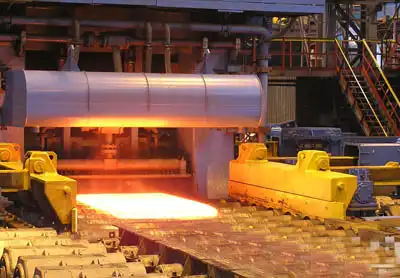
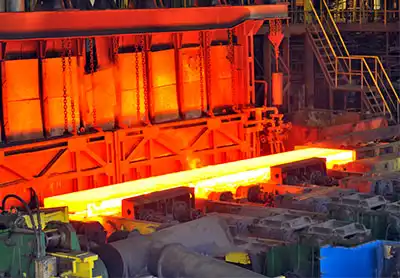
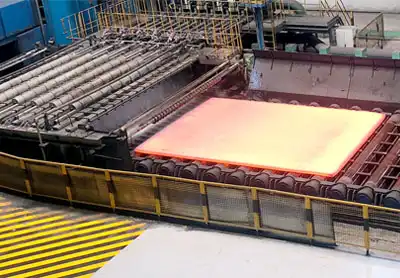
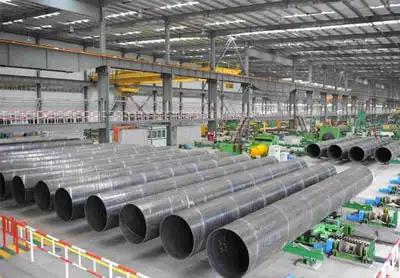
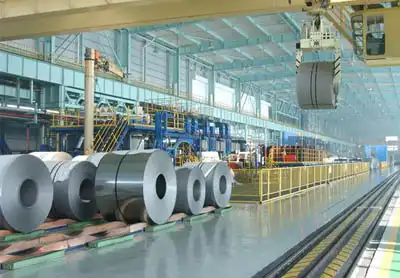
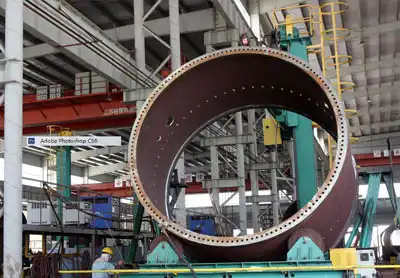
Description: BBN steel is a well-known steel manufacturer and service provider in China, Automobile Structure Steel Plate/Coil is our superior product, we are favored by customers with high quality, competitive price and excellent service
Payment Terms: L/C, T/T, D/P, Western Union, Paypal, Money Gram
Automobile structure steel is the hot-rolled plate, sheet and strip that vehicle frames, cross members, wheels and brackets are cold formed from. It is bought for one job above all: take a bend, a draw or a roll-formed section without cracking, at a strength level that lets the designer take metal out of the part.
That combination is what separates the family from general structural plate. The strength does not come from raising carbon, which would cost formability and weldability; it comes from microalloying and tightly controlled rolling and cooling, so the steel stays clean, keeps a low carbon equivalent and still welds on an automated line. Everything below follows from that trade-off — the standards in section 03, what their grade numbers actually measure in section 04, the minimum properties in section 05, and where the material ends up on the vehicle in section 06.
41Grade Designations8 linked grade pages
5Standard FamiliesJIS · EN · Q/BQB · SEW · DIN
310–700 MPaSpecified minimum strengthSAPH310 up to S700MC
4Supplied formsplate · sheet · strip · coil
Read the two numbers twice. The figure carried by each grade is not measuring the same thing in every family: JIS G3113 SAPH grades are designated by minimum tensile strength, while the EN 10149-2 and SEW 092 series are designated by minimum yield strength. Comparing a SAPH number with an S…MC number as though they were interchangeable is the most common specification mistake on this product — section 04 sets out which is which.
02Thickness, Product Form & Processing
This is thin-gauge hot-rolled product: the families on this page are written for sheet, strip and coil rather than for heavy plate. What can actually be rolled is confirmed against the rolling programme for the grade you order.
Product Form
Item
Range / Standard Specification
Remarks
Automobile Structure Steel Plate & Coil
Thickness
Hot-rolled thin gauge; Q/BQB 310, the works standard most of the Chinese-supplied families trace back to, goes up to about 14 mm
The rollable window for each grade is confirmed when we book the rolling programme; tell us the gauge you form
Width & Length
Confirmed per rolling programme
Sheet dimensions or coil width, together with coil ID, OD and coil weight, are agreed before rolling
Product Form
Plate · sheet · strip · coil
Coil supply with decoiling, slitting and cut-to-length for press and roll-forming lines
Slit widths and blank dimensions set to the part you are forming
Why gauge matters here: the mechanical values these grades carry are thickness-dependent. The yield minimum a SAPH grade meets below 6 mm is not the one it meets at 8 mm and above, and the elongation minimum moves in the opposite direction as you go thicker. There is also a practical limit to how thin a high-strength grade can be rolled before the surface and shape get away from the mill. Both are stated on the MTC for your heat, so quote the gauge you actually press rather than a nominal one.
03Available Grades & Standards
41 designations across 5 specifications. Click any linked grade to open its own page with composition, mechanical properties and supply detail.
Note the overlaps before you order. The same-looking SAPH310, SAPH370, SAPH400 and SAPH440 appear in both JIS G3113 and Q/BQB 310, and the QStE series appears in both Q/BQB 310 and SEW 092. Same designation, different specification documents — each with its own chemistry limits, testing regime and certification route. Always quote the standard and its edition together with the grade, never the grade alone.
04What the Grade Numbers Mean
Five families, five different ways of building a designation. This is the chapter to read before you cross one specification against another.
1
JIS G3113 — SAPH310 to SAPH440
The Japanese specification for hot-rolled plate, sheet and strip for automobile structural use. The number is the specified minimum tensile strength in MPa — SAPH440 has to reach 440 MPa tensile, not 440 MPa yield. The letters identify the family and product form rather than carrying a separate quantified meaning, so do not read extra requirements into them beyond what the standard sets.
2
EN 10149-2 — S315MC to S700MC
The European cold-forming series: S for structural steel, the number is the minimum yield strength in MPa, and MC packs in both the delivery route and the purpose — M for thermomechanically rolled (TMCP) and C for cold forming. Strength comes from fine grain and microalloying rather than carbon, which is why the family welds and bends well.
3
Q/BQB 310 — the mill standard
A continuous hot-rolled sheet and strip specification for automobile structural use written by the mill itself, which is why it carries several series in one document: its own SAPH grades alongside JIS G3113, high-strength SPFH grades where the number again refers to tensile strength, the microalloyed QStE series, and product-coded families such as B…CL, B…L and B…QZR. Order it by standard plus edition.
4
SEW 092 — QStE260N to QStE500TM
Widely used cold-forming steel for chassis parts. The number is the specified minimum yield strength in MPa — QStE340TM clears 340 MPa yield — and the suffix tells you the processing route: TM for thermomechanically rolled, N for the normalising route. The suffix changes the production route and therefore the property set, so it belongs on the enquiry even though it is not part of the strength number.
5
DIN 17102 — StE255 and its variants
StE255 with 255 as the specified minimum yield strength in MPa, offered here in four variants written with a leading letter. WStE255 is the weather-resistant member of the set; the remaining prefixes are variants defined inside the standard itself, and rather than paraphrase them we would rather you read the definition in the edition you are buying to — ask us for the clause wording with your quotation.
The one-line summary: SAPH and SPFH numbers are tensile minima; S…MC, QStE and StE numbers are yield minima. SAPH440 looks stronger than S420MC and yields lower. When you compare grades across these families, compare like with like — and when the drawing only gives a strength figure, say which of the two it is.
05Minimum Mechanical Properties
The figures each family has to clear as its standard minimum. They are the floor a heat is tested against, not predictions of what your certificate will show.
Standard
Grade
Yield min (MPa)
Tensile min (MPa)
Elongation min (%)
JIS G3113 / Q-BQB 310
SAPH310
185
310
33–41
JIS G3113 / Q-BQB 310
SAPH370
225
370
32–38
JIS G3113 / Q-BQB 310
SAPH400
255
400
31–37
JIS G3113 / Q-BQB 310
SAPH440
305
440
29–35
Q/BQB 310
SPFH540
355
540
21–24
Q/BQB 310
SPFH590
420
590
19–22
Q/BQB 310
B440QZR
320
440–570
15
Standard
Grade
Yield Strength min (MPa)
Tensile Strength (MPa)
EN 10149-2
S315MC
315
390–510
EN 10149-2
S355MC
355
430–550
EN 10149-2
S420MC
420
480–620
EN 10149-2
S460MC
460
520–670
EN 10149-2
S500MC
500
550–700
EN 10149-2
S550MC
550
600–760
EN 10149-2
S600MC
600
650–820
EN 10149-2
S650MC
650
700–880
EN 10149-2
S700MC
700
750–950
How to read these tables. The yield figures for the SAPH grades are the ones applying to thinner material; lower yield minima take over as thickness increases — SAPH440 steps down from 305 MPa to 275 MPa across its thickness bands — and the elongation figures shown are the span of minima the standard sets from its thinnest to its thickest band, so the value on your MTC depends on the gauge ordered. In the EN 10149-2 table we deliberately do not print elongation: published minima differ between summaries and depend on the specimen type and the edition, so we quote it from the standard edition and your thickness rather than copy a number off a comparison chart. The same reasoning applies to the SEW 092 QStE grades and the DIN 17102 StE255 variants — the yield number is carried in the designation itself, but the tensile band, elongation and bend radius belong to the edition you buy. Nothing here is a typical value: the figures that govern your delivery are those printed on the MTC.
06Where It Goes on the Vehicle
Roughly a third of the automotive structural steel consumed goes into body structure, panels, doors and closures; around a quarter into drive train, engine and gear components; about an eighth into suspension; and what is left into wheels, steering, braking and fuel tanks. In practice that tonnage breaks down like this.
Chassis Rails & Cross Members
Longitudinal frame rails, cross members, reinforcing and mounting brackets — the largest single use of the cold-forming families, and the reason S420MC and S460MC sit at the centre of the range.
Truck & Trailer Frames
Truck frames, booms, arms of trucks and trailer frames — parts where higher strength buys gauge reduction directly into payload, and where the 500 to 700 MPa grades earn their premium.
Wheels, Rims & Discs
Wheel discs and rims, including the B…QZR wheel grades carried in Q/BQB 310 — a demanding application because the material is stretched and flanged before it is welded.
Body Structure & Closures
Body structures, door inner panels, trunk closures, roof and side panels, together with the B-pillar and front cross members where the highest strengths in the family are specified for intrusion resistance.
Suspension, Steering & Braking Parts
Suspension arms and brackets, steering and braking components, seat frames and fuel tanks — parts that need strength together with fatigue resistance rather than the very highest strength available.
Matching grade to part: the ultrahigh-strength end of the range — S650MC and S700MC, or an equivalent — is what buys intrusion protection in B-pillars, roof rails and front cross members. Everything else wants the balance: pick the lowest grade in the ladder that meets the load case, because every step up costs elongation, demands a larger bend radius and adds springback in the die.
07Processing Services & Supply
Supplied as plate, sheet or coil, and prepared to feed a press or roll-forming line rather than a general fabrication shop.
1
Slitting, Decoiling & Cut-to-Length
Coil is decoiled, slit to the strip width the line needs and cut to length; sheet and plate are supplied cut to size. Coil ID, OD and weight are agreed before rolling so the material loads onto the uncoiler you run.
2
Surface Condition
As-rolled, pickled, or pickled and oiled. Say which with the order — mill scale left on the surface shortens tool life and shows through subsequent coatings, while pickled material needs protection in transit and storage.
3
Blanks & Forming Support
Blanks cut to drawing for pressing, strip widths set for roll forming, and thickness tolerance agreed up front. Tell us the bend radii and forming method: the higher grades need larger radii, and springback grows with strength.
4
Inspection & Documentation
Mill test certificate to the ordered standard with heat-number traceability, chemical analysis, tensile results and dimensional inspection. Thickness, width and surface are checked before shipment, and third-party inspection can be arranged on request.
Ordering: payment terms L/C, T/T, D/P, Western Union, Paypal and Money Gram. Indicative lead time is 5 days for 1–10 tonnes, 10 days for 10–50 tonnes and negotiable above 50 tonnes, with the actual schedule confirmed against the rolling programme when you enquire. Tell us the standard with its edition plus the full grade, the thickness and either sheet dimensions or coil width and weight, the quantity, the product form and surface condition, how you form and join the part, any inspection or certification requirement, and the destination port.
08Frequently Asked Questions
Q1What makes automobile structure steel different from ordinary structural plate?
It is made to be cold formed at a specified strength level, not just to carry load. Elongation, bend radius and consistency of properties between heats are controlled because the part has to survive the press; the strength comes from microalloying and controlled rolling rather than from carbon, so the steel keeps welding cleanly. A general structural grade with a matching yield figure may meet a tensile test and still crack on the bend — it was never made to be formed.
Q2Should I order plate or coil?
It depends on your line. Coil is the natural choice for roll forming and for blanking presses fed from an uncoiler, and it is usually the cheaper form; sheet and cut plate suit presses loaded by hand, robot or stacker, and smaller batches. We supply either, with slit coil, decoiled and cut-to-length material, or blanks cut to drawing — so tell us how the material enters your line rather than which form you think you need.
Q3Do the numbers mean the same thing in every standard?
No, and this is where most confusion starts. JIS G3113 SAPH310 to SAPH440 and the SPFH series are designated by minimum tensile strength, while EN 10149-2 S…MC grades, the SEW 092 QStE grades and DIN 17102 StE255 are designated by minimum yield strength. SAPH440 therefore has a 440 MPa tensile requirement and a yield requirement nearer 305 MPa, whereas S420MC carries a 420 MPa yield guarantee. Section 04 sets out each family and section 05 lists the figures side by side.
Q4Can I substitute a grade from another standard for the one on my drawing?
Sometimes, but it is an engineering decision rather than a paperwork one. Published tables pair some SAPH grades across JIS G3113 and Q/BQB 310 and put QStE380TM alongside S355MC, yet they remain separate specifications with their own chemistry limits, thickness steps and test directions — the SPFH grades, for example, are tested on transverse specimens where the SAPH grades are not. Substitution also changes the coating, welding and fatigue behaviour of the finished part. We will quote against the original specification and, if you want an alternative, quote the substitute alongside it so your engineering side can compare the two sets of numbers.
Q5Is choosing the highest strength grade always the lightest answer?
Only up to a point. Every step up the ladder costs elongation, needs a larger minimum bend radius, increases springback in the die and asks more of your tooling and welding procedure; below about 4 mm even rollability limits how thin a very high strength grade can go. The usual result is that a part is optimised somewhere in the middle of a range — the 420 to 500 MPa band for chassis work — with the highest grades reserved for local reinforcements rather than whole assemblies.
Q6What information do you need for a quotation?
The standard with its edition plus the full grade — S500MC rather than “500 steel”, SAPH440 rather than “automotive SAPH” — the thickness and either the sheet size or the coil width and coil weight, the quantity, product form and surface condition, how you form and join the part including the bend radii, any test beyond the base specification, inspection or third-party certification needed, and the destination port. Section 07 lists what we can do with the material once the grade is settled.
Get Your Automobile Structure Steel Quotation
Send us your standard and grade, thickness and dimensions, quantity, product form and surface condition. We will reply with available gauge and width, what the mill can certify at that thickness, coil or cut-to-length options, mill price and production lead time — and tell you plainly if a step down the strength ladder would form better for the part you make.
BBN Steel has established a complete set of production and supplier management system processes to ensure the improvement of product quality and better service to users.
Production Control
BBN Steel has established a complete production quality control process to ensure every link from research and development to mass production.
Supplier management
Our supplier selection will consider factors such as health and safety, ethics, environmental protection, price and quality to better serve customers.
Certification & Patent
We have successively won various international authoritative certifications, GB /T19001-ISO9001: 2000 quality management system was implemented.
After sales service
We provide booking space, shipping tracking service and after-sales service, we will always be first-class products and perfect pre-sale and after-sales service.
Get in Touch
Welcome to contact us through online consulting, emails and hotline if you are interested in our company or products. Our staff will reply you within 24 hours.
Address: HIGH-TECH DEVELOPMENT ZONE, ZHENGZHOU, CHINA