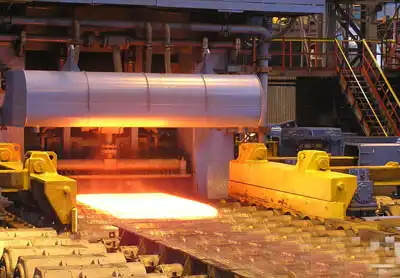
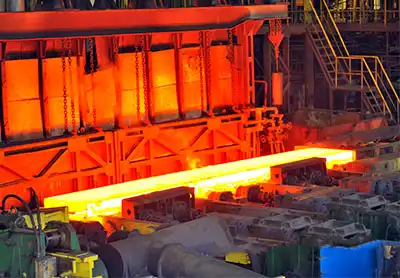
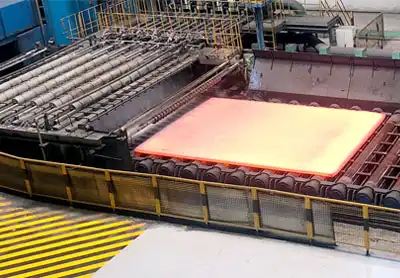
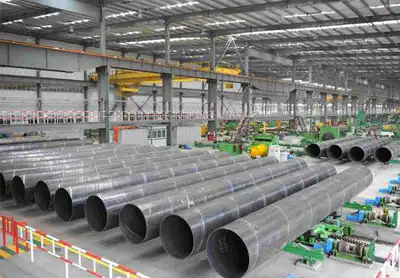
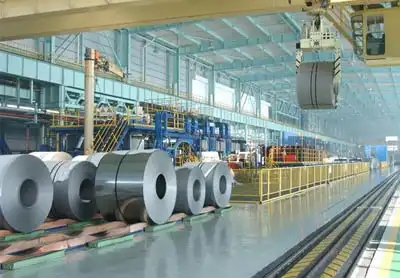
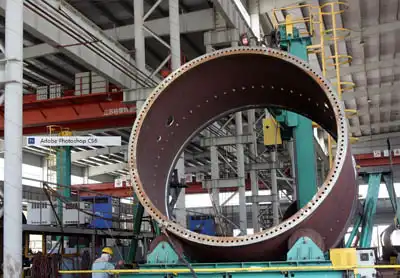
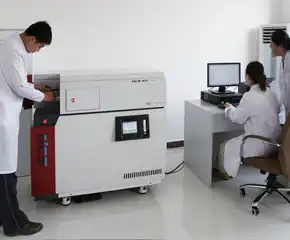
Description: BBN steel is a well-known steel manufacturer and service provider in China, ASME SA36/SA36M SA36 steel plate,ASME SA36/SA36M SA36 carbon hot rolled steel sheet plate is our superior product, we are favored by customers with high quality, competitive price and excellent service
Payment Terms: L/C, T/T, D/P, Western Union, Paypal, Money Gram
ASME SA36/SA36M is the ASME Boiler and Pressure Vessel Code version of ASTM A36 — the structural carbon steel that has been the default choice for riveted, bolted and welded bridges, buildings and general fabrication since it was first issued in 1960. The two designations describe the same steel: identical chemistry, identical mechanical requirements. What changes is the endorsement. An SA prefix means the specification has been adopted into ASME BPVC Section II, Part A, so it is a code material that can be certified into boiler and pressure vessel work; plain A36 carries no such endorsement.
SA36 is a strength-only grade. It guarantees 250 MPa minimum yield inside a 400 – 550 MPa tensile band, and it carries no mandatory Charpy V-notch requirement of its own — the low carbon content is what makes it one of the most forgiving steels to weld, form and bend. BBN supplies SA36 hot rolled sheet and plate cut to size, tested per heat and certified on the mill test certificate with the ASME designation and code edition stated.
250 MPaMin. Yield Strength36 ksi, t ≤ 200 mm
400 – 550 MPaTensile Strength Rm58 – 80 ksi
23 %Min. Elongation, 50 mm gauge20 % on the 200 mm gauge
0.26 %Max. Carbon0.25 % for plate up to 40 mm
How to read this page: every value below is an ASME SA36/SA36M requirement — a minimum or a specified limit, not a typical mill result — and the chemistry limits move with thickness. What is actually delivered is what appears on the MTC of the heat you buy, so quote thickness, product form, delivery condition, the ASME code edition you need on the certificate and any extra testing together in the enquiry.
02Technical Specifications
Supply programme published for ASME SA36/SA36M SA36 on this product page.
Item
Specification
Executive Standard
ASME SA36/SA36M — adopted into ASME BPVC Section II, Part A; requirements identical to ASTM A36/A36M
Steel Grade
SA36SA36M in the metric (SI) edition
Steel Category
Structural quality mild (low) carbon steel
Product Forms Covered
Steel PlateSheetBarShapeshot rolled sheet and plate on this page
Thickness Range
Confirmed per rolling programme — send the thickness you need; not published as a fixed band
Width & Length
Confirmed per rolling programme, cut to drawing — not published as a fixed band
Delivery Condition
Hot rolled / as rolled (usual supply) — see section 07 for the full list
Impact Requirement
None in the base specification — Charpy is a supplementary order item, see section 06
MOQ
1 PCsingle plate or cut length accepted
Supply Ability
5 000 MT per month
Delivery Time
7 days from stock where available; production 30 – 50 days
Lead Time by Quantity
1 – 10 t: 5 days · 10 – 50 t: 10 days · > 50 t: negotiable
Loading Port
ShanghaiTianjinQingdao
Packaging
Standard export seaworthy packing, or as required
Certification
Mill Test Certificate stating the ASME designation and edition; EN 10204 3.1 / 3.2 and third-party inspection on request
Payment Terms
L/CT/TD/PWestern UnionPaypalMoney Gram
Processing Services
Cutting to length and width, profiling, bevelling, bending, drilling, welding, shot blasting and painting
Two things this page does not publish. First, no fixed thickness / width / length band: this product sheet carries no dimensional programme, so we confirm every size against the rolling schedule rather than printing a range we cannot back. Second, the ASME endorsement is not automatic — if the material is going into code work, write "ASME SA36/SA36M" plus the code edition into the purchase order so the MTC carries it. Dimensional tolerances follow the general requirements specification (A6/A6M) and the agreed order.
03Grade Designation
What each part of the name SA36/SA36M tells a buyer.
Element
Meaning
S
The ASME prefix. A material published with an SA designation has been adopted into the ASME Boiler and Pressure Vessel Code, Section II, Part A. It is the same specification text as the ASTM one, plus the code endorsement.
A36
The ASTM designation. The number is the specified minimum yield strength in ksi — 36 ksi = 250 MPa — which is the reason the grade is called "36" and nothing else in the name carries a strength meaning.
M
Metric (SI) edition. SA36 and SA36M are the same material quoted in two unit systems — 250 MPa / 36 ksi and 400 – 550 MPa / 58 – 80 ksi describe one requirement, not two grades.
No suffix letter
SA36 has no quality or toughness suffix. Unlike grades whose letter sets an impact class, SA36 is a strength-only grade: the specification sets yield, tensile and elongation, and leaves toughness to the purchaser as a supplementary requirement.
ASTM A36 and ASME SA36 side by side.
Item
ASTM A36 / A36M
ASME SA36 / SA36M (this page)
Issued by
ASTM International
ASME, as a code material in BPVC Section II, Part A
Chemistry & mechanicals
Baseline requirements
Identical — same limits, same minimum values
Typical use
General structural work: bridges, buildings, machinery bases, general fabrication
The same structural work, plus code-fabricated boiler and pressure parts
Documentation
MTC certified against the ASTM text
MTC carrying the ASME designation and code edition, produced under an ASME-compliant quality system
Substitution
Not automatically accepted for ASME code work
Can always be supplied where A36 is specified — same steel plus the extra certification
Ordering rule: if the part is going into an ASME-stamped vessel or boiler, the material has to be ordered as SA36 — a certificate that only says "A36" will not satisfy the inspector, and re-certifying after rolling is not something a mill can do retroactively. If the job is ordinary structural work, either designation is technically fine and SA36 simply costs the same as A36 stock. See section 04 if a drawing names a non-US grade instead.
Lower strength carbon plate (205 MPa yield) — not a like-for-like match, but often named on the same drawing.
AFNOR / NF
E 24-2
French designation of the same strength family.
BS 4360
40 A / 40 B
British designations; 40 B carries the notch-ductility class.
ISO
E 235 B / Fe 360 B
ISO and the older European Fe 360 B notation.
IS
IS 2062 E250 A
Indian standard grade at the 250 MPa yield level.
Equivalence is a starting point, not a substitution permit. These grades are matched on strength level, not on the full requirement set. S235JR and Q235B guarantee 235 MPa yield against SA36's 250 MPa, and they carry their own impact classes (JR = 27 J at +20 °C) that SA36 does not have at all. Delivery condition, thickness range, testing regime and the code endorsement are set by each standard separately. If a drawing names a grade, supply that grade or obtain a formal deviation. Buyers who want more strength without changing standard usually move to A572 Grade 50 (345 MPa) or A573 Grade 70 — both different specifications with their own rules.
05Chemical Composition
Ladle analysis limits of ASME SA36/SA36M, by product form and plate thickness.
Element
All
t ≤ 20 mm
20 < t ≤ 40 mm
40 < t ≤ 65 mm
65 < t ≤ 100 mm
t > 100 mm
Carbon (C), max
0.26
0.25
0.25
0.26
0.27
0.29
Manganese (Mn)
—
—
0.80 – 1.20
0.80 – 1.20
0.85 – 1.20
0.85 – 1.20
Phosphorus (P), max
0.04
0.04
0.04
0.04
0.04
0.04
Sulfur (S), max
0.05
0.05
0.05
0.05
0.05
0.05
Silicon (Si)
0.40
0.40
0.40
0.15 – 0.40
0.15 – 0.40
0.15 – 0.40
Copper (Cu), min
0.20
0.20
0.20
0.20
0.20
0.20
Reading the table: the "All" column is the one the specification uses where it does not subdivide by thickness (the shapes and bar groups); the other five columns are plate thickness bands. Copper is a minimum and applies only when copper-bearing steel is specified — it is not a limit on every heat.
Where the older version of this page differs. The table previously published here was a single row — C 0.26, Mn 0.4 – 0.9, Si 0.4, P 0.04, S 0.05. Two of those sit oddly against the specification: the manganese figure of 0.4 – 0.9 % is below the published SA36/A36 bands (0.80 – 1.20 % and 0.85 – 1.20 %), and 0.26 % carbon is only the "All" column — plate up to 40 mm is held to 0.25 %. We publish the thickness-banded table above. Two further cautions: published renderings of the A36 chemistry table attach slightly different carbon limits to the same thickness bands, and manganese has no specified minimum below 20 mm, so take the governing value for the thickness you buy from the MTC. Micro-alloying and residual elements are not published on this page; if your specification controls them, write the limits into the order.
06Mechanical Properties
Tensile requirements of ASME SA36/SA36M, in both unit systems.
Property
Metric
Imperial
Tensile strength, ultimate
400 – 550 MPa
58 – 80 ksi
Tensile strength, yield, min
250 MPa
36 ksi
Elongation, 200 mm (8 in.) gauge, min
20 %
20 %
Elongation, 50 mm (2 in.) gauge, min
23 %
23 %
How the minimum yield moves with section size.
Product & Thickness
Min. Yield Strength
Tensile Strength
Plate, bar and shapes up to 200 mm (8 in.)
≥ 250 MPa 36 ksi
400 – 550 MPa
Plate over 200 mm (8 in.)
≥ 220 MPa 32 ksi
400 – 550 MPa
Shapes with flange width over 75 mm
≥ 250 MPa
The 550 MPa upper limit does not apply; elongation on the 50 mm gauge is 19 %
Plate wider than 600 mm (24 in.)
≥ 250 MPa
Elongation reduced by 2 % under the general requirements specification
Toughness — and what this grade does not require.
Item
Requirement
Charpy V-notch
Not a requirement of the base specification. SA36 is a strength-only grade; impact testing is ordered as a supplementary requirement, with the test temperature and the minimum absorbed energy written into the purchase order.
Bend test
Cold bend requirements and the test piece follow the general requirements specification (A6/A6M) for the thickness ordered — confirm the bend radius on the order.
Two numbers on the older version of this page that we have corrected. It published a tensile band of 400 – 650 MPa — ASME SA36/SA36M and ASTM A36/A36M both set 400 – 550 MPa (58 – 80 ksi), and that is what is published above. It also published "20 % elongation in 2 in. (50 mm)", which mixes the two gauge lengths: 23 % belongs to the 50 mm (2 in.) gauge and 20 % to the 200 mm (8 in.) gauge. The same old table listed an impacting test temperature of +20, 0 and −20 °C; since the specification carries no mandatory Charpy requirement, those temperatures are only meaningful if the order asks for impact testing at one of them — and in that case the minimum energy has to be stated too.
SA36 is normally supplied hot rolled; heat treatment is performed when the order calls for it.
Item
Options
Delivery Condition
AR — As hot rolled (usual)TMCPN — NormalizedQ+T
Additional Conditions
UTZ15 / Z25 / Z35Charpy V-notchThird-party test (SGS)Coated or shot blasted and painting
Surface Treatment
As rolledShot blastedPrimedPainted
Heat treatment, when it is asked for — these are commonly published practice ranges for A36-type carbon steel, not SA36/SA36M requirements.
Process
Typical Range
Why it is ordered
Normalizing
899 – 954 °C
Refining the grain of thick plate so the section is uniform through thickness
Annealing
843 – 871 °C
Softening for heavy cold forming or machining
Stress relieving
677 – 927 °C
Relieving fabrication stress before machining or service
Hardening
788 – 816 °C
Raising surface hardness on parts that need it
Order it explicitly. SA36/SA36M does not lock the material to a single delivery condition — as-rolled is the usual route and keeps the cost down, while normalizing changes the property set and the price. Heat treatment is never implied by the grade name: if a drawing or a code case calls for it, write the process and the temperature into the order and ask for the chart on the MTC. The temperatures above are published practice figures for this type of carbon steel, not specification limits, and they are not a substitute for the heat treatment clause in your own procedure. Extra requirements such as through-thickness (Z) testing, ultrasonic acceptance level or a nominated inspection agency have to be built into the order rather than added after rolling.
08Typical Applications
Where SA36 plate, sheet, bar and shapes are normally consumed.
Base Plates & Column Base Plates
The classic SA36 job: levelling and load-spreading plates under columns, machinery and structural steelwork, cut and drilled to the anchor layout.
Bridges, Gussets & Structural Plates
Bridge plates, gussets, splice and connection plates on riveted, bolted or welded structures — the use the specification was written for in 1960.
Fabrication, Welding & Cold Forming
General fabrication where the plate has to be cut, welded, bent and cold formed in one shop — the low carbon content keeps preheat requirements and procedure work to a minimum.
Non-critical and structural parts of ASME-stamped boilers and pressure vessels — saddles, skirts, supports, shells and covers where the design calls for an SA-listed material.
Why this grade is chosen when nothing special is required: it welds cleanly by all the common processes, it forms and bends without complaint, it is mild carbon steel rather than an alloy, and its yield point is lower than C1018 — which is exactly why it bends further before it cracks. Square, round and flat A36 / SA36 bar is sold as "SBQ" or special bar quality, made to specific chemistry and property ranges so that shafts, axles and gears cut from it can be used in automotive and agricultural equipment. Those five things — weldability, formability, mild carbon chemistry, strength and bending capability — are the whole argument for the grade; nothing in SA36 is designed for low-temperature service.
09Processing, Testing & Supply
From mill plate to a certified, fabrication-ready item.
1
Cutting & Profiling
Plate and sheet cut to length and width, profiled to drawing and bevelled for weld preparation on flame, plasma or laser equipment.
2
Forming, Bending & Welding
Bending and rolling to radius, cold forming to the radius the thickness allows, plus welded assemblies built under a qualified procedure.
3
Surface Treatment
Shot blasting to remove mill scale, then shop primer or full paint system, followed by export marking and seaworthy packing.
4
Inspection & Certified Delivery
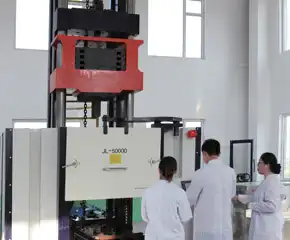
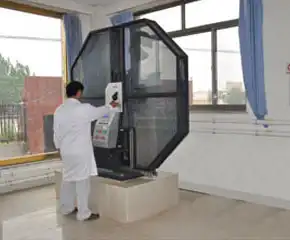
Chemical analysis and tensile testing per heat, Charpy, UT and Z-direction testing when specified, then the MTC carrying the ASME designation and code edition plus any third-party report.
Mill Test Certificate to EN 10204 3.1, or 3.2 with third-party endorsement
MTC stating the ASME SA36/SA36M designation and the BPVC code edition
Heat analysis and mechanical test report (yield, tensile, elongation, Charpy where ordered)
Ultrasonic testing report to the agreed acceptance level
Heat treatment chart where normalizing, annealing or stress relieving is ordered
Third-party inspection by SGS, BV, Intertek or another nominated agency
Export packing, marking and loading supervision
Quote checklist — you get a faster, comparable price if you send: thickness × width × length, quantity, product form (plate, sheet, bar or shape), delivery condition (AR, TMCP, N or Q+T), whether the material is for ASME code work and which edition the certificate must show, required mechanical values plus impact temperature and energy if Charpy is needed, UT acceptance level and any Z-direction requirement, surface treatment, MTC type, destination port and payment terms. MOQ is 1 PC.
10Frequently Asked Questions
Q1Is SA36 a different steel from A36?
No. The chemistry, the mechanical requirements and the metallurgy are the same; the specification text is the same. The difference is administrative: SA means the specification has been adopted into the ASME Boiler and Pressure Vessel Code, Section II, Part A, so the material is produced, tested and documented under an ASME-compliant quality system. SA36 can always be supplied where A36 is asked for. The reverse is not true — for code work you must order SA36, because a certificate that only says "A36" will not carry the code endorsement an inspector looks for. See our page for ASTM A36.
Q2One page says 400 – 550 MPa tensile and another says 400 – 650 — which is right?
400 – 550 MPa (58 – 80 ksi) is the ASME SA36/SA36M and ASTM A36/A36M figure, and it is what this page publishes. The earlier version of this page carried 400 – 650 MPa, which is not the specification band. If your own drawing or calculation is built on the 650 figure, re-check it against the edition of the standard your project cites before ordering — and always read the tensile value off the MTC of the heat you actually receive.
Q3Does SA36 have an impact test requirement?
Not in the base specification. SA36 is a strength-only grade — the standard sets yield, tensile and elongation and leaves toughness to the purchaser. If your service temperature or your code case needs Charpy V-notch testing, order it as a supplementary requirement and state both the test temperature and the minimum absorbed energy in the purchase order, because neither is implied by the grade name. The older version of this page listed +20, 0 and −20 °C as impacting test temperatures; those are only meaningful if the order asks for testing at one of them.
Q4Is the elongation 20 % or 23 %?
Both, on different gauge lengths: 23 % minimum on a 50 mm (2 in.) gauge and 20 % minimum on a 200 mm (8 in.) gauge. The older version of this page wrote "20 % in 2 in. (50 mm)", which attaches the wrong number to the short gauge. Two adjustments are worth knowing: for plate wider than 600 mm the elongation is reduced by 2 %, and for shapes with a flange width over 75 mm the 50 mm gauge minimum is 19 %.
Q5Can SA36 be used in an ASME code pressure vessel, and what must the certificate show?
Yes, where the design calls for an SA-listed material — that is the whole point of the SA designation. But the paperwork has to follow: order the material explicitly as ASME SA36/SA36M, state the BPVC code edition you need, and require the MTC to carry the ASME designation with heat number traceability to ASME BPVC Section II, Part A. Add any supplementary testing at the same time — Charpy, UT acceptance level, Z-direction — because it cannot be added after rolling. Material bought simply as A36 will not satisfy the inspector on a code job.
Q6How does SA36 compare with C1018 for bending, and with A572 Grade 50 for strength?
Against C1018, SA36 has a lower yield point — and that is an advantage, not a weakness: the plate forms further before it cracks, which is why it is the default for bending and cold forming. Against A572 Grade 50, the comparison is the other way round — A572 Grade 50 is a high-strength low-alloy grade at 345 MPa minimum yield, roughly 95 MPa above SA36, and it costs more and needs tighter welding control. SA36 is the right choice when the design does not need the extra strength; step up only when the section actually uses it.
Send us your thickness × width × length, quantity, product form, delivery condition, whether the material is for ASME code work and which edition the certificate must show. We will reply with rolling schedule, competitive factory price, delivery time and the complete certification package within 24 hours.
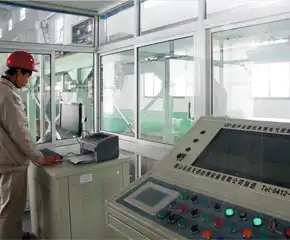
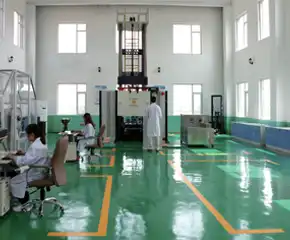
BBN Steel has established a complete set of production and supplier management system processes to ensure the improvement of product quality and better service to users.
Production Control
BBN Steel has established a complete production quality control process to ensure every link from research and development to mass production.
Supplier management
Our supplier selection will consider factors such as health and safety, ethics, environmental protection, price and quality to better serve customers.
Certification & Patent
We have successively won various international authoritative certifications, GB /T19001-ISO9001: 2000 quality management system was implemented.
After sales service
We provide booking space, shipping tracking service and after-sales service, we will always be first-class products and perfect pre-sale and after-sales service.
Get in Touch
Welcome to contact us through online consulting, emails and hotline if you are interested in our company or products. Our staff will reply you within 24 hours.
Address: HIGH-TECH DEVELOPMENT ZONE, ZHENGZHOU, CHINA