carbon and low alloy steel plate

carbon and low alloy steel plate

FOB Reference Price: Get Latest Price

Description: BBN steel is a well-known steel manufacturer and service provider in China, carbon and low alloy steel plate is our superior product, we are favored by customers with high quality, competitive price and excellent service

Payment Terms: L/C, T/T, D/P, Western Union, Paypal, Money Gram

Lead Time:

Quantity(Metric Tons) 1 - 10 10 - 50 >50
Est. Time(days) 5 10 Negotiable

E-mail: sales@bebonchina.com

Whatsapp: +8617398960706

Get QuotesLeave a Message

Product Introduction

01What Carbon and Low Alloy Steel Plate Is

CARBON & LOW ALLOY PLATE C 0.05 – 2.1 % BY WEIGHT CARBON CONTENT SCALE 0.05 ~1.0 2.1 STRUCTURAL PLATE SITS LOW STRENGTH FROM Mn, Nb, V, Ti AND ROLLING

Carbon steel is iron alloyed chiefly with carbon, and low alloy steel adds small amounts of manganese, silicon, niobium, vanadium, titanium, chromium, nickel or copper to raise strength, toughness or atmospheric corrosion resistance without moving into the stainless or high-alloy range. Both are supplied as hot-rolled plate, and between them they cover the great majority of structural, machinery and general engineering work.

The range quoted for carbon steel runs from 0.05% to 2.1% carbon by weight, which is the textbook definition of the material rather than a window any single plate is rolled to. Structural plate grades sit at the low end of that scale, because carbon raises strength but costs weldability and toughness — above roughly 0.3% carbon the heat-affected zone of a weld becomes progressively harder to control. What separates a plain carbon grade from a low-alloy grade in practice is therefore not the carbon figure printed on the certificate but whether deliberate alloying and the rolling practice are being used to reach the specified strength.

246Grade Designations48 linked pages
29Standard FamiliesASTM · ASME · EN · JIS · DIN · GB/T
1.5–200 mmThickness RangeUltra-thin and ultra-thick on request
3–7 daysSpecial Size Lead TimeConventional sizes from stock
Reading the carbon figure: 0.05–2.1% is the definition of the material family, not a specification for plate. The grades in section 03 are structural and engineering grades sitting at the low end; the higher-carbon end of that scale belongs to tool and spring steels, which are a different product with different standards and are not part of this table. The carbon and alloy limits that actually apply to your order are the ones printed on the MTC for the standard and grade you bought.

02Plate Size Range, Stock & Processing

The standard mill window is listed below. Every size supports customised cutting and processing for structural and engineering projects.

Product Form Item Range / Standard Sizes Remarks
Carbon & Low Alloy Steel Plate Thickness 1.5 mm – 200 mm Custom ultra-thick and ultra-thin plates available outside the standard window
Width 1000 mm – 3000 mm Fixed-width and non-standard widths cut to your cutting plan
Length 2000 mm – 12000 mm Fixed-length cutting and non-standard custom lengths supported
Processing Service Cutting · bending · drilling · polishing · surface treatment · custom shaped parts Shaped and finished parts produced from customer drawings
Inventory Mass spot stock of conventional sizes Fast delivery from stock; special sizes customised within 3–7 working days
On sizes: not every thickness is available in every width, and the combination depends on the grade and the rolling programme — send the standard, grade, dimensions and quantity and we confirm what the mill can roll. Two further points matter when you specify: mechanical properties are thickness-dependent, so the yield value a grade can meet at 12 mm is not the value it meets at 150 mm, and the thickness range a standard covers varies by grade. Both are stated on the MTC for your heat.

03Available Grades & Standards

The full range is listed below, grouped by standard. Click any linked grade to open its dedicated page with composition, mechanical properties and supply detail.

Standard Steel Grade
ASTM A36/A36M A36      
ASTM A283/A283M A283Grade A A283Grade B A283Grade C A283Grade D
ASTM A514/A514M A514Grade A A514Grade B A514Grade C A514Grade E
A514Grade F A514Grade H A514Grade J A514Grade K
A514Grade M A514Grade P A514Grade Q A514Grade R
A514Grade S A514Grade T    
ASTM A572/A572M A572Grade 42 A572Grade 50 A572Grade 55 A572Grade 60
A572Grade 65      
ASTM A573/A573M A573Grade 58 A573Grade 65 A573Grade 70  
ASTM A588/A588M A588 Grade A A588 Grade C A588 Grade K A588 Grade B
ASTM A633/A633M A633Grade A A633Grade C A633Grade D A633Grade E
ASTM A656/A656M A656Grade 50 A656Grade 60 A656Grade 70 A656Grade 80
ASTM A709/A709M A709Grade 36 A709Grade 50 A709Grade 50S A709Grade 50W
A709Grade HPS50W A709Grade HPS70W A709 Grade 100 A709Grade 100W
A709Grade HPS100W      
ASME SA36/SA36M SA36      
ASME SA283/SA283M SA283Grade A SA283Grade B SA283Grade C SA283Grade D
ASME SA514/SA514M SA514Grade A SA514Grade B SA514Grade C SA514Grade E
SA514Grade M SA514Grade P SA514Grade Q SA514Grade R
SA514Grade S SA514Grade T    
ASME SA572/SA572M SA572Grade 42 SA572Grade 50 SA572Grade 55 SA572Grade 60
SA572Grade 65      
ASME SA573/SA573M SA573Grade 58 SA573Grade 65 SA573Grade 70  
ASME SA588/SA588M SA588 Grade A SA588 Grade B SA588 Grade C SA588 Grade K
ASME SA633/SA633M SA633Grade A SA633Grade C SA633Grade D SA633Grade E
ASME SA656/SA656M SA656Grade 50 SA656Grade 60 SA656Grade 70 SA656Grade 80
ASME SA709/SA709M SA709Grade 36 SA709Grade 50 SA709Grade 50S SA709Grade 50W
SA709Grade HPS50W SA709Grade HPS70W SA709Grade 100 SA709Grade 100W
SA709Grade HPS100W      
EN10025-2 S235JR S235J0 S235J2 S275JR
S275J0 S275J2 S355JR S355J0
S355J2 S355K2 S420J0  
EN10025-3 S275N S275NL S355N S355NL
S420N S420NL S460N S460NL
EN10025-4 S275M S275ML S355M S420ML
S355ML S460M S420M S460ML
EN10025-6 S460Q S460QL S460QL1 S500Q
S500QL S500QL1 S550Q S550QL
S550QL1 S620Q S620QL S620QL1
S690Q S690QL S890Q S690QL1
S890QL S890QL1 S960Q S960QL
JIS G3101 SS330 SS400 SS490 SS540
JIS G3106 SM400A SM400B SM400C SM490A
SM490B SM490C SM490YA SM490YB
SM520B SM520C SM570  
DIN 17100 St37-2 USt37-2 RSt37-2 St37-3
St52-3      
DIN 17102 StE255 WStE255 TStE255 EStE255
StE285 WStE285 TStE285 EStE285
StE315 WStE315 TStE315 EStE315
StE355 WStE355 TStE355 EStE355
StE380 WStE380 TStE380 EStE380
StE420 WStE420 TStE420 EStE420
StE460 WStE460 TStE460 EStE460
StE500 WStE500 TStE500 EStE500
GB/T700 Q235A Q235B Q235C Q235D
Q275      
GB/T1591 Q345A Q345B Q345C Q345D
Q345E Q390A Q390B Q390C
Q390D Q390E Q420A Q420B
Q420C Q420D Q420E Q460C
Q460D Q460E    
GB/T16270 Q460C Q460D Q460E Q460F
Q500C Q500D Q500E Q500F
Q550C Q550D Q550E Q550F
Q620C Q620D Q620E Q620F
Q690C Q690D Q690E Q690F
Q800C Q800D Q800E Q800F
Q890C Q890D Q890E Q890F
Q960C Q960D Q960E Q960F
Grades shown without a link are supplied to order — send the standard, grade, dimensions, quantity and any inspection requirement and we will confirm availability and lead time. A few designations appear under more than one standard (Q460C and Q460D, for example, are listed under both GB/T 1591 and GB/T 16270 with different delivery conditions and property requirements), so always quote the standard as well as the grade. Certification and third-party inspection (SGS, BV, DNV or your nominated inspector) can be arranged on request.

04Typical Applications

Carbon and low-alloy plate is the default structural material across most of industry — these are the sectors and the parts we supply most often.

Building & General Structure

Frames, columns, beams, base plates, brackets, stairs, platforms and walkways — the bulk of general fabrication, where stiffness and ease of welding matter more than minimum weight.

Bridge & Infrastructure

Bridge girders, deck plates and cross frames, plus transmission towers, gantries and highway structures — the domain of A709, the N and M grades of EN 10025-3 and -4, and Q345 to Q460.

Mechanical & Engineering Machinery

Machine bases, frames, housings, gears, shafts, press structures and engineering machinery components, where stable microstructure and good machinability are as important as the strength figure.

Pressure Equipment & Cutting Tools

Pressure vessels, boiler shells and storage tanks on the ASME SA grades, with the higher-carbon end of the range serving cutting tool bodies, dies and high-strength wire production.

Automotive & Transportation

Chassis members, frames, trailer bodies, container and rail wagon structures, and vehicle components where the strength-to-weight ratio of the HSLA grades pays for the alloy.

05Processing Services & Supply

One-stop deep processing for every grade in section 03. Custom non-standard sizes and special-shaped parts are produced from customer drawings.

1

Cutting

Cutting to length and to shape from stock plate or from mill-rolled sizes, with fixed-length cutting and non-standard lengths supported. Thermal cutting leaves a hardened zone on the cut face, so edges that will be welded are dressed before assembly.

2

Forming

Bending and rolling to the radius the grade and thickness permit. Bend radii grow and the required preheat rises as strength and thickness increase, and the bend line is kept across the rolling direction.

3

Finishing

Drilling, polishing and surface treatment. Surface preparation is specified together with the grade, because what the plate is going to be painted with or coated with depends on where the part will live.

4

Custom Shaped Parts

Customised shaped parts produced to customer drawings — nested, cut, formed, drilled and marked so what arrives on site goes straight into the assembly.

Ordering: payment terms L/C, T/T, D/P, Western Union, Paypal and Money Gram. Indicative lead time is 5 days for 1–10 tonnes and 10 days for 10–50 tonnes, with larger quantities negotiated. Conventional sizes are held in volume for fast delivery from stock, and special sizes are customised within 3–7 working days — both confirmed against the rolling programme when you enquire.

06Frequently Asked Questions

Q1What is the difference between carbon steel plate and low alloy steel plate?
Plain carbon steel gets its strength from carbon and manganese in the as-rolled or normalized condition — A36, S235JR, Q235B, SS400 and St37-2 sit here. Low-alloy steel adds small amounts of niobium, vanadium, titanium, copper, chromium and nickel and combines them with controlled or thermomechanical rolling to get a finer grain and a higher yield from the same carbon level — A572, S355N, S355M, Q345 and the DIN 17102 StE grades sit here. The practical difference is strength per kilogram and, at the top of the range, the need for heat treatment: above roughly 690 MPa yield the plate has to be quenched and tempered (A514, EN 10025-6, GB/T 16270).
Q2Is A36 the same as S235JR, Q235B or SS400?
No. They are frequently quoted for the same kind of light structural work and they sit close together in strength, but they are separate specifications with their own chemistry limits, impact requirements, thickness coverage and dimensional tolerances. A36 is an ASTM specification quoted in ksi, S235JR is EN 10025-2 with a defined Charpy requirement, Q235B is GB/T 700 with its own quality-grade lettering, and SS400 is JIS G3101 with the number being tensile strength rather than yield. Substituting one for another is an engineering decision that has to be checked against your design code and your welding procedure.
Q3How do I choose the right strength class?
Start from what governs the design. If it is stiffness or ease of fabrication, a plain carbon grade at 235–275 MPa is usually right and the cheapest. If it is strength per kilogram — bridges, long spans, chassis, crane structures — the HSLA grades at 345–460 MPa are the standard answer. Above 500 MPa you are in quenched and tempered territory, where the welding procedure has to be qualified, preheat becomes routine, and forming is limited.
Q4Do the impact and toughness suffixes really matter?
Yes, and they are the most common source of a wrong delivery. In EN 10025-2, JR / J0 / J2 are 27 J Charpy at +20 / 0 / −20 °C and K2 is 40 J at −20 °C; N and NL, M and ML are normalized and thermomechanical pairs with NL and ML the low-temperature variants; Q, QL and QL1 are quenched and tempered with testing at −20, −40 and −60 °C. Under GB/T the trailing letter does the same job: A to E on GB/T 1591 and C to F on GB/T 16270. Ordering S355J2 when the design needs S355K2, or Q345B when it needs Q345D, gives you plate that meets the strength but not the toughness.
Q5What sizes, processing and lead time can I expect?
Plate from 1.5 mm to 200 mm thick, 1000–3000 mm wide and 2000–12000 mm long, with custom ultra-thin and ultra-thick sizes available outside that window. Processing covers cutting, bending, drilling, polishing, surface treatment and customised shaped parts to drawing. Conventional sizes are held in volume for fast delivery, and special sizes are customised within 3–7 working days. Indicative lead time is 5 days for 1–10 tonnes, 10 days for 10–50 tonnes and negotiable above 50 tonnes. Section 02 gives the full window.
Q6What information do you need for a quotation?
The standard and the full grade including any suffix letter — S355J2 rather than S355, Q345D rather than Q345 — the dimensions, quantity and any dimensional tolerance, the delivery condition if the standard offers a choice, the minimum design temperature and any Charpy or through-thickness requirement, whether the part will be formed or welded and to what procedure, the surface and edge condition, any inspection or certification needed including third-party inspection, and the destination port.

Get Your Carbon & Low Alloy Steel Plate Quotation

Send us your standard and grade, dimensions, quantity, minimum design temperature and processing requirements. We will reply with available sizes, what the mill can certify at your thickness, cut-to-size options, mill price and production lead time — and tell you plainly if a lower strength class would serve the part better.

Related Steel Products+ See More

Our Factory & Workshopsales@bebonchina.com

2500mm Steel Plates Production Line

2500mm Steel Plates Production Line

3500mm Steel Plates Production Line

3500mm Steel Plates Production Line

4500mm Steel Plates Production Line

4500mm Steel Plates Production Line

Spiral Welded Pipe Production Line

Spiral Welded Pipe Production Line

1700mm Hot Rolled Coil Production Line

1700mm Hot Rolled Coil Production Line

Deep Processing Center

Deep Processing Center

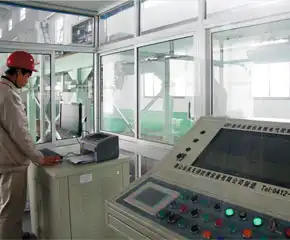
R & D and Testing Centersales@bebonchina.com

Technical department

Technical department

Quality Control Department

Quality Control Department

100% UT test

100% UT test

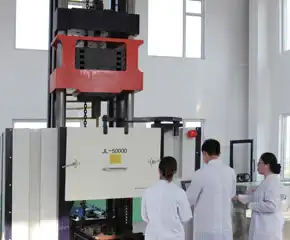
50000J DWT TEST

50000J DWT TEST

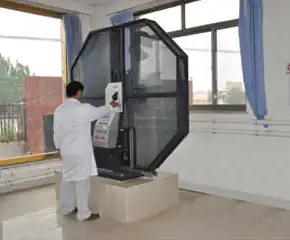
Impact test

Impact test

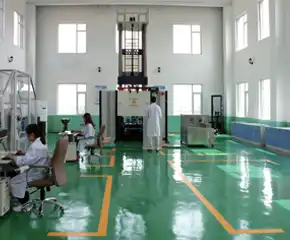
Mechanins Lab

Mechanins Lab

Metallurgical Microscope

Metallurgical Microscope

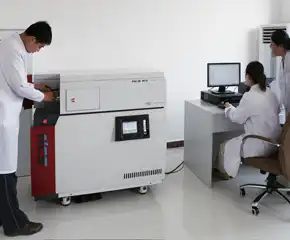
OES Chemical analysis

OES Chemical analysis

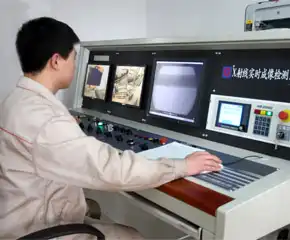
X-ray test

X-ray test

Vickers hardness tester

Vickers hardness tester

Our Service

BBN Steel has established a complete set of production and supplier management system processes to ensure the improvement of product quality and better service to users.

Get in Touch

Welcome to contact us through online consulting, emails and hotline if you are interested in our company or products. Our staff will reply you within 24 hours.


Contact Us